
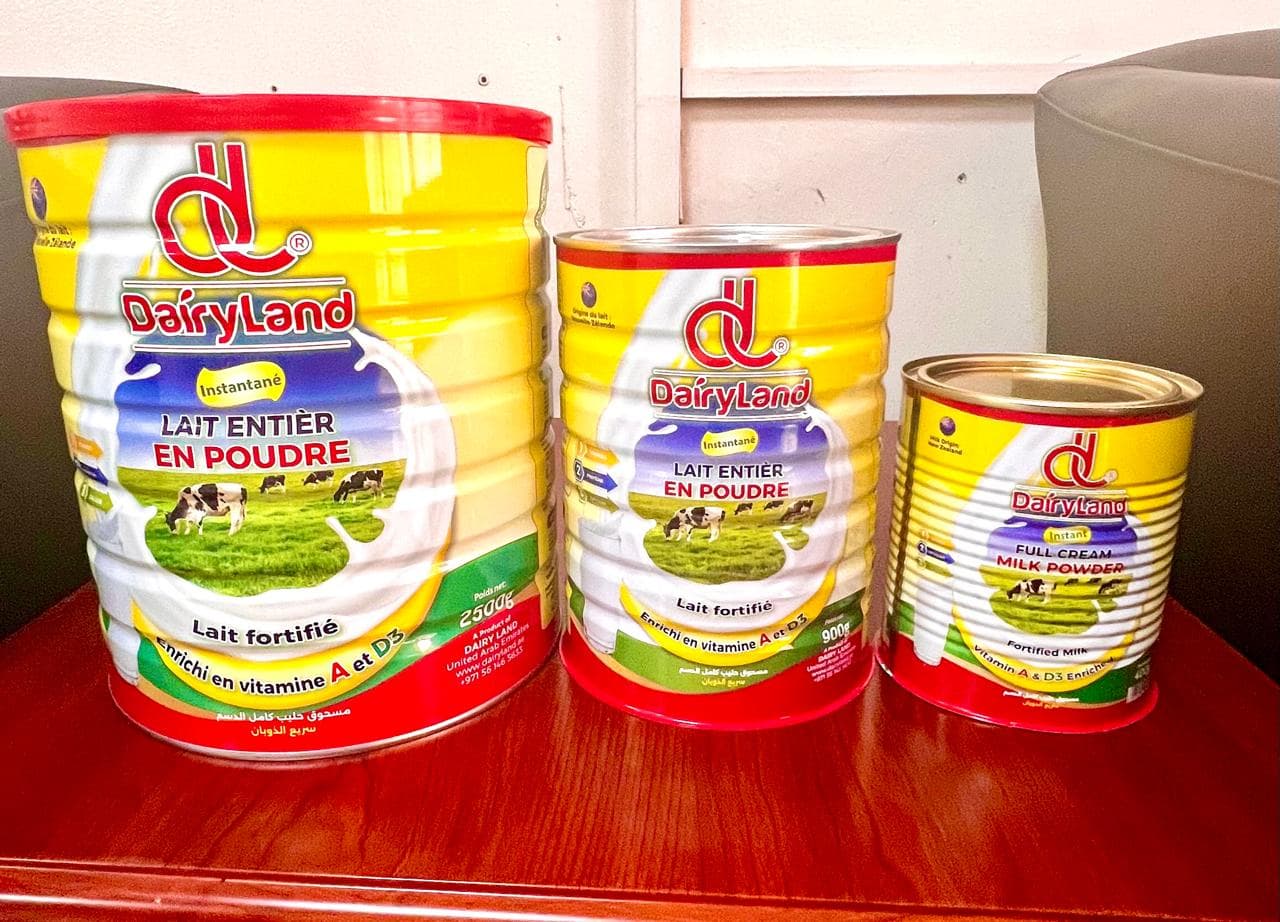
The global market for canned dairy — evaporated milk, sweetened condensed milk, and related formats — continues to hold a strategic position in food supply chains across developing and emerging economies. For importers and distributors operating in West Africa and the Middle East, understanding the forces shaping supply, cost, and availability is increasingly important as the market navigates a complex set of structural and cyclical pressures.
Demand Fundamentals Remain Strong
In West Africa, evaporated and condensed milk are deeply embedded in daily consumption habits. From tea culture in Senegal and Ghana to cooking applications across Nigeria and Côte d'Ivoire, canned dairy functions as both an affordable protein source and a culturally familiar product. Population growth, urban expansion, and the continued preference for long-shelf-life foods in markets where cold-chain infrastructure is uneven all sustain healthy baseline demand.
In the Middle East and UAE specifically, condensed milk sees consistent demand in confectionery, bakery, and hospitality applications, with a separate tier of evaporated milk used in households and food-service settings. Both categories benefit from a regional preference for imported, trusted brands and consistent product quality — something that gives established exporters a clear advantage over commodity alternatives.
What is notable is that demand in both regions has shown resilience even during periods of broader food-price inflation. Canned dairy's value proposition — caloric density, long shelf life, ease of transport — tends to sustain it where fresh dairy alternatives are either unavailable or prohibitively expensive.
Cost Pressures: Raw Milk and Tinplate
On the supply side, producers face two primary cost drivers that are worth monitoring closely.
Raw milk pricing is influenced by feed costs, seasonal output patterns, and production conditions in major exporting countries across Europe, Oceania, and the Americas. When global feed commodity prices — grain and soy in particular — rise, dairy farm economics tighten, and the flow-through effect on processed dairy input costs can be significant. Buyers sourcing canned milk products should be aware that the lag between farm-gate price movements and finished-goods pricing can create periods of margin compression or unexpected cost escalation along the supply chain.
Tinplate — the steel used to manufacture the cans themselves — has been subject to its own volatility, linked to global steel markets, energy costs at steel mills, and trade policy dynamics. Because cans represent a material share of the total production cost in canned dairy, periods of elevated tinplate pricing can be difficult for manufacturers to absorb without adjusting trade prices. Importers and distributors who lock in longer-term purchase agreements during periods of relative input stability typically fare better than those operating purely on spot terms.
Supply Chain and Sourcing Considerations
For buyers in West Africa, sourcing routes and reliable supplier relationships carry particular weight. Port congestion, freight rate fluctuations, and container availability have all, at various points, created unpredictability in delivery schedules. Working with exporters who carry adequate forward inventory and have established shipping relationships helps mitigate these risks.
The UAE's position as a regional hub adds a layer of logistical flexibility for markets across the Gulf and East and West Africa alike. Consolidated shipments from a Dubai-based exporter can simplify customs, documentation, and financing — advantages that matter especially for mid-sized distributors managing working capital carefully.
Outlook: Cautious Optimism for Canned Dairy
The structural case for canned dairy in both West Africa and the Middle East remains intact. Population trends, urbanisation, and the enduring practicality of shelf-stable formats point to continued demand growth over the medium term. However, buyers should approach procurement with an awareness of input-cost cycles and a preference for suppliers who offer transparency on pricing dynamics and inventory planning.
For distributors and importers, the current environment rewards forward planning, diversified supplier relationships, and a clear understanding of how upstream costs translate into landed price. Those who treat procurement as a strategic function — rather than a reactive one — will be best positioned to serve their own customers reliably as market conditions evolve.
This article is market commentary prepared by the Dairy Land Research Team for general information only and does not constitute commercial, financial or trading advice.