
The FAO Food Price Index (FFPI) averaged 131.1 points in July 2026 — its highest reading since January 2023 and 1.0% above the same month last year. FAO Chief Economist Máximo Torero has characterised the convergence of Black Sea and Strait of Hormuz shipping disruptions, El Niño-driven heatwaves, and energy price spillovers as "a perfect storm of higher prices." For exporters, importers, and distributors working across the UAE–West Africa corridor, the picture is nuanced: some commodity categories are softening even as the headline index climbs. Understanding those divergences is increasingly the basis of sound procurement and trading strategy.
Dairy: A Window of Softer Input Costs, With Caveats
The FAO Dairy Price Index reached 120.9 points in March 2026 — marking its first monthly increase since July 2025 — driven by firmer quotations for skim milk powder (SMP), whole milk powder (WMP), and butter. Import demand from North Africa, the Near East, and Southeast Asia was cited as a key support factor, all corridors that overlap with Dairy Land's established trade routes.
However, the index subsequently declined 0.7% in July 2026, with WMP and SMP both retreating. SMP prices fell 3.3% month-on-month in July, as ample export supplies from the EU and Oceania, combined with more cautious buying after earlier price increases, weighed on quotations. Weak Chinese import demand has been a persistent drag on WMP prices in particular, contributing to eleven consecutive months of dairy price softness through June 2026.
For producers of evaporated and condensed milk and milk powder, this creates a short-term input cost advantage — but the benefit is partially offset by elevated energy-linked transport costs, which remain a structural pressure point across all commodity categories. Margins warrant careful management rather than complacency.
Vegetable Oils and Palm Oil: Volatility Driven by Energy Markets
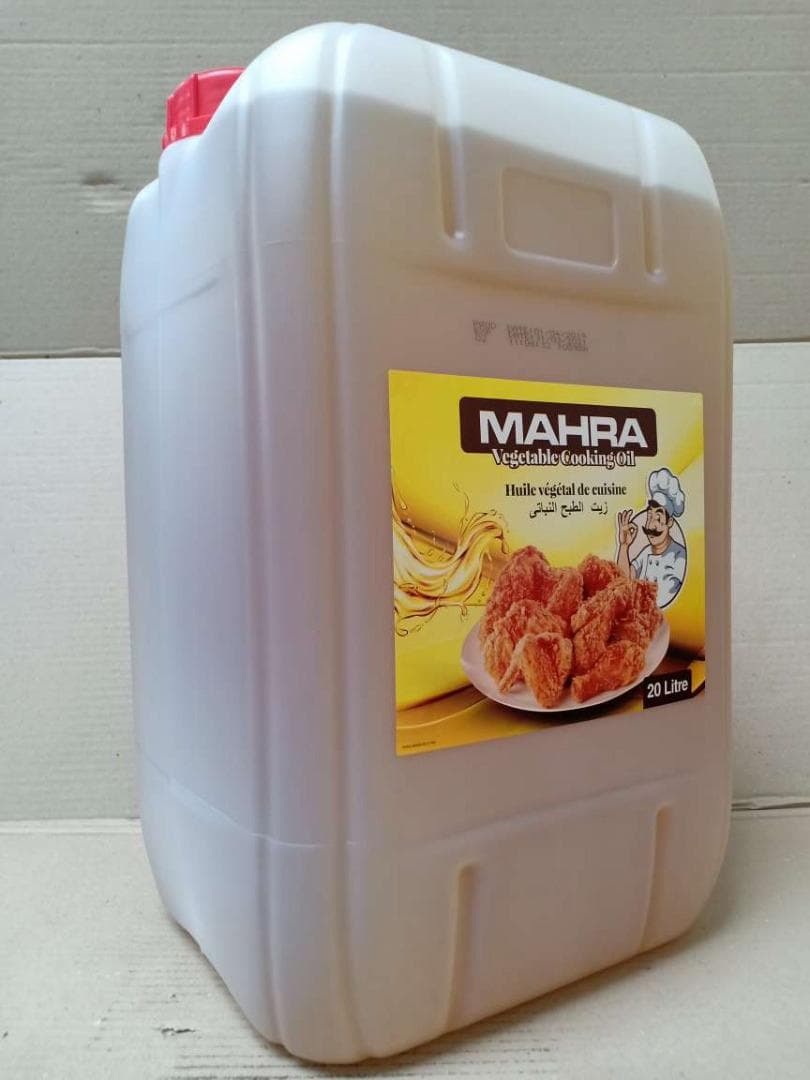
Vegetable oil prices hit a four-year high in July 2026, rising 2% to levels last seen in June 2022. Palm oil and soybean oil led the gains, with rising crude oil prices boosting biofuel demand — a dynamic that increasingly ties agricultural commodity pricing to energy market sentiment rather than food supply fundamentals alone.
This volatility cuts both ways. In May 2026, the FAO Vegetable Oil Price Index had declined 4.6% — its first monthly drop of the year — on expectations of weaker palm oil import demand. Such swings create meaningful challenges for importers seeking predictable landed costs.
West Africa's structural supply gap in palm oil makes this especially relevant. The region imported approximately 6.2 million tonnes of palm oil in 2024 to cover a deficit that domestic production cannot close. Nigeria, the largest regional producer at 1.4–1.57 million metric tonnes in 2025, sees its output absorbed almost entirely by local markets. Côte d'Ivoire, the second-largest producer at around 575,000 metric tonnes, faces a similar dynamic. Malaysia and Indonesia remain the dominant external supply sources — but price volatility and shipping disruptions along established routes are sustaining strong underlying demand for reliable supply-chain alternatives.
Cereals and Grains: Supply-Side Risks Re-Emerging
Wheat prices surged 5.8% in July 2026, reflecting heightened concerns over Black Sea export infrastructure damage and heatwave impacts on producing-country yields. This follows a period of relative calm: the World Bank's food price index fell an estimated 6% across 2025 on ample global supplies, and the broad outlook for 2026 remains one of relative stability — but with tighter stock-to-use ratios underpinning elevated volatility risk.
For markets where wheat-based products are a staple — as they are across Nigeria, Senegal, Ghana, and Côte d'Ivoire — price spikes transmit quickly through food budgets and purchasing patterns.
West Africa's Structural Import Demand Remains the Defining Opportunity
Beyond commodity price movements, the structural context in West Africa deserves attention. Intra-regional food trade across West Africa is estimated at approximately USD 10 billion annually — roughly six times the officially recorded figure — reflecting the scale of informal cross-border commerce that standard trade data understates. Demand for processed and packaged food imports, including dairy products, canned goods, tomato paste, and cooking oil, remains structurally high across Nigeria, Ghana, Senegal, and Côte d'Ivoire.
Canned fish plays a particular role in regional food supply chains, accounting for roughly 67% of intra-regional food supply flows in key urban centres — a relevant benchmark for understanding where packaged food products sit in West African consumer priorities.
Takeaway: The commodity landscape entering the final quarter of 2026 is characterised by a rising headline index masking divergent category trends. Dairy input costs offer a short-term reprieve; vegetable oil pricing remains energy-linked and volatile; cereal risks are reasserting themselves. For exporters and importers operating the UAE–West Africa corridor, the consistent thread is West Africa's enduring structural import demand — and the premium placed on supply-chain partners who can offer reliability when global flows are disrupted.
Sources
- Global Ag News For Jan 9.2026 - ADM Investor Services
- Global food prices dip in June as cereal and sugar markets soften
- Grain prices soften on supply, while edible oils firm on strong ...
- FAO Food Price Index edges up amid weather, energy and geopolitical ...
- Commodity Markets Outlook A World Bank Group Report APRIL 2026 ...
- World Food Price Index
- Grain Journal
- Global Food Prices Forecast to Rise 11.8% in 2026, 4.8% in 2027 ...
This article is market commentary prepared by the Dairy Land Research Team for general information only and does not constitute commercial, financial or trading advice.