
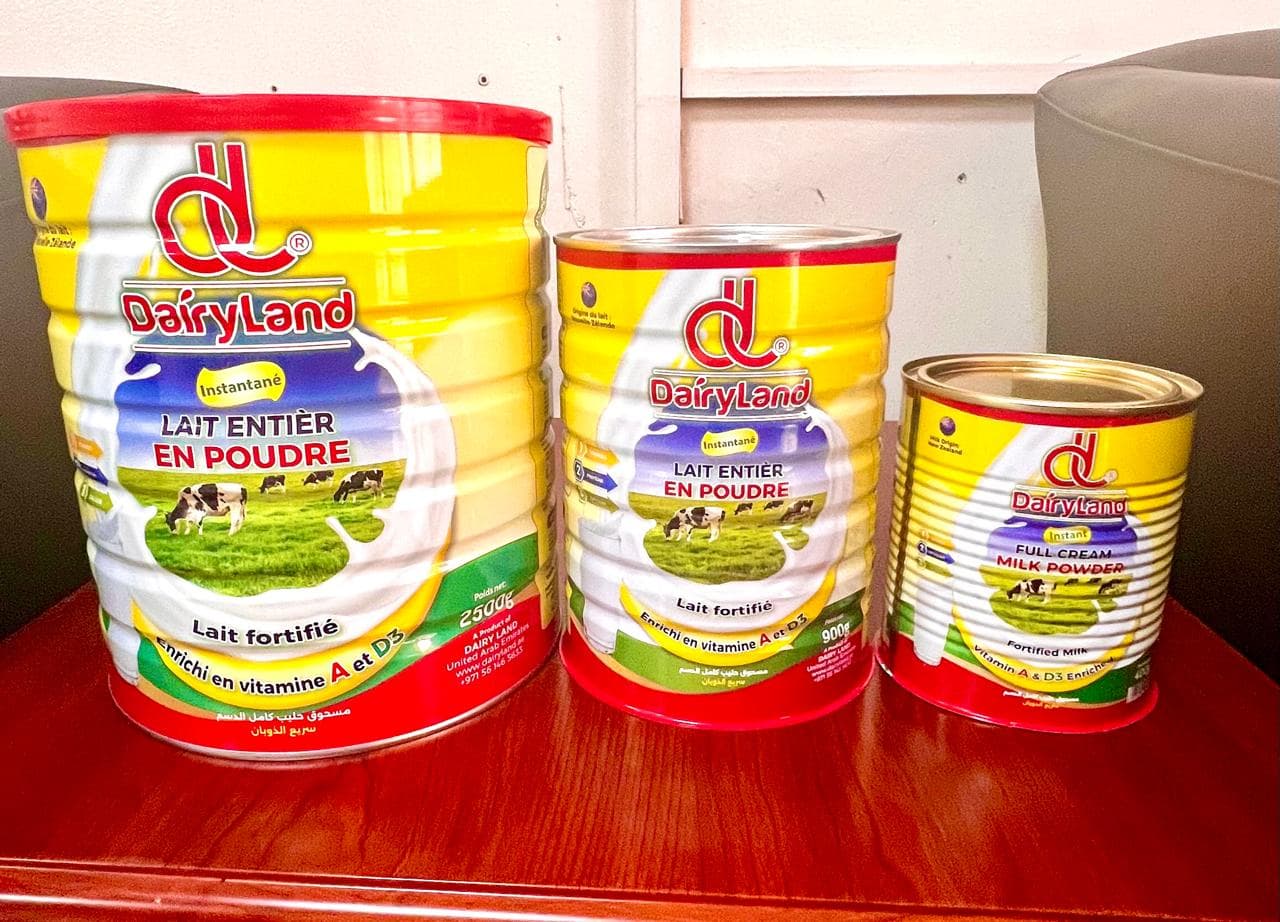
The canned dairy category sits at an interesting crossroads heading into late 2026. On one side, a global surplus in raw milk is pushing commodity prices lower across the board. On the other, the tin can itself is getting more expensive to produce. For exporters supplying West Africa and the Gulf, understanding both forces — and the long-run demand trajectory that makes the effort worthwhile — is essential reading.
West Africa: Structural Demand Remains Intact
Africa's market for powdered, evaporated, and condensed milk was valued at approximately $3.4 billion in 2024, with volumes expected to reach 1.3 million tons and $4.6 billion by 2035. That implies a decade of consistent, if unspectacular, growth — and the structural drivers behind it are well-established.
Urbanisation across the West African subregion continues at pace. Refrigeration penetration remains low relative to household income levels, and fresh dairy distribution infrastructure is limited outside major cities. These conditions keep shelf-stable, canned formats not just relevant but often the only practical option for millions of consumers. Affordability reinforces the same dynamic: evaporated and condensed milk competes on price in a way that chilled dairy simply cannot.
Nigeria, the region's largest economy, remains a significant net importer of these products. Germany holds the dominant supplier position in the Nigerian market — a well-entrenched competitive reality that Gulf-based exporters must plan around. Breaking into that market requires consistent quality, reliable lead times, and competitive landed pricing, not simply proximity.
Raw Milk Costs: A Near-Term Margin Opportunity
The global dairy commodity picture is currently tilting in favour of buyers and processors. According to Rabobank, milk output across the seven major export regions rose 1.6% year-on-year in 2025 — the largest increase in five years — with a further 0.6% growth forecast for 2026. China has pulled back on imports, and India alongside Southeast Asian markets are increasingly self-sufficient, leaving a surplus that trade flows have not yet absorbed.
The effect on prices has been notable. In the US, the "all milk" price fell to around $21 per 100 lbs in Q3 2025, with the USDA projecting a further decline to approximately $20.40 per 100 lbs for 2026. Fat markets fell sharply — roughly 40% in the September 2025 to February 2026 window — and whole milk powder dropped around 30% over the same period. Even protein-based commodities such as skim milk powder, cheese, and whey, which held up better, were still down approximately 15%.
For canned dairy producers, lower SMP and WMP input costs represent a genuine near-term opportunity to protect or improve margins — provided the savings are not entirely absorbed elsewhere in the cost structure.
Tinplate: The Countervailing Pressure
Unfortunately, the packaging side of the equation is moving in the opposite direction. Tinplate prices in June 2026 were quoted at around USD 918/MT in China and USD 913/MT in India. In China specifically, prices rose approximately 3.6% in Q2 2026, supported by Baosteel's upward price revisions and constrained availability of refined tin. Industry forecasters place tinplate in a $850–$1,100/MT trading range through mid-2026, with moderate upward pressure tied to China's tightening of export policy — including a reduction in VAT rebates that effectively raises the cost of exported steel products.
In the United States, Section 232 tariffs on aluminium and tinplate steel continue to weigh on metal packaging manufacturers, most of whom depend heavily on imported tinplate. Can industry executives have noted that cost increases from 2025 were largely passed through to customers, and that pressure is expected to continue into 2026. For any producer reliant on steel cans — as evaporated and condensed milk universally is — tinplate inflation directly offsets the gains available from cheaper dairy inputs.
Geopolitical Risk: Shipping and Supply Chain Watch
A less visible but material risk sits in the background. Ongoing Middle East tensions continue to constrain cargo traffic through the Strait of Hormuz, despite a temporary US-Iran ceasefire. Approximately a third of global fertiliser trade moves through this corridor, and prolonged disruption could tighten global milk supply by 2027 if fertiliser access constrains fodder production in key dairy export regions. For a Dubai-headquartered operation, the dual exposure — to both regional shipping costs and potential medium-term tightening of global dairy commodity supply — warrants close monitoring.
Takeaway for Importers and Distributors
The input cost environment for canned dairy in 2026 is genuinely mixed. Falling dairy commodity prices create a window that processors have not seen in several years, but tinplate inflation is a real offset, and supply chain risk has not disappeared. The long-term demand case in West Africa is structurally sound — demographic trends and infrastructure constraints are not reversing — but near-term market value growth has been broadly flat, and competition from established European suppliers in key markets like Nigeria is entrenched. Partners and buyers planning procurement strategies for 2026–2027 should account for all three dimensions: commodity tailwinds, packaging cost headwinds, and the geopolitical variables that could shift either factor unexpectedly.
Sources
- South Africa's Powdered, Evaporated and Condensed Milk Market Report 2026 - Prices, Size, Forecast, and Companies
- Africa's Milk Market: Growing Demand for Powdered, Evaporated, and Condensed Milk Drives Market Volume to 1.3M tons and Market Value to $4.6B by 2035 - News and Statistics - IndexBox
- Africa's Powdered, Condensed or Evaporated Milk Market Report 2026 - Prices, Size, Forecast, and Companies
- Nigeria's Evaporated and Condensed Milk Market Report 2026 - Prices, Size, Forecast, and Companies
- Ethiopia's Evaporated and Condensed Milk Market Report 2026 - Prices, Size, Forecast, and Companies
- Global Condensed Milk Market Size, Share & Analysis, 2034
- Evaporated Milk Market Size & Share 2026-2032
- Global Dry, Condensed and Evaporated Milk Market Size, Industry Share, Trends & Forecast 2026-2034
This article is market commentary prepared by the Dairy Land Research Team for general information only and does not constitute commercial, financial or trading advice.