
Global food commodity markets are under mounting pressure in October 2026. The FAO Food Price Index averaged 136.0 points in September — its highest reading since November 2022 and 5.8% above year-ago levels — as shipping disruptions, adverse weather and tightening supply chains converge across multiple categories. For exporters, distributors and importers operating between the UAE and West Africa, understanding these dynamics is no longer optional: it is essential to protecting margins and securing supply.
Dairy Powder: A Sharp and Sustained Rally
The dairy complex is arguably the most significant story for commodity buyers right now. At GDT Event 413 on 8 October 2026, the overall GDT price index rose 1.2%, averaging $3,928/MT across all products — and it has now risen in five of the last six semi-monthly auctions. Skim milk powder (SMP) reached $3,847/MT, a gain of 4.3% in a single auction and its highest level since June 2022. Over the prior six auctions alone, SMP climbed roughly $700/MT, or 22.5%.
A notable structural signal: SMP is now trading above whole milk powder (WMP, at $3,605/MT) for the third consecutive auction — an inversion that historically reflects concentrated buying pressure in food-manufacturing and blending sectors. USDA data for the week of 5–9 October confirms the trend, with US SMP reaching its highest average price since July 2022 and up approximately 48% year-on-year.
Origin competition is shifting. US powder commands a significant premium over European product, and buyers are redirecting towards European and South American origins. European milk production rose around 5% year-on-year early in 2026, supporting powder availability, though spot inventories remain tight enough to push buyers towards forward contracts. For importers in West Africa who rely on consistent dairy supply, locking in volume ahead of further price rises is increasingly the preferred strategy.
Cereals and Cooking Oils: Pressure Across the Board
The cereal picture is equally challenging. FAO's cereal price index rose 5.1% in September, compounding earlier gains: global wheat prices surged 5.8% in July and maize rose 3.6% in the same month. Black Sea export disruptions and heatwave impacts on key producing countries are the principal culprits, alongside weaker yield prospects for US corn. FAO now projects global cereal output to contract 2.1% in 2026 to just under 2.98 billion tonnes, with world cereal trade volumes declining 3.5% from record 2025/26 levels.
For Dairy Land's core West African markets, these numbers carry direct consequences. Ghana imports approximately 1.0 million metric tonnes of wheat annually — all of it from abroad — and that volume is forecast to grow a further 5% in MY2025/26. Côte d'Ivoire is the fifth-largest rice importer in the world at around 1.25 MMT per year. Across the region, maize accounts for roughly one-third of regionally traded cereals, with rice and wheat close behind.
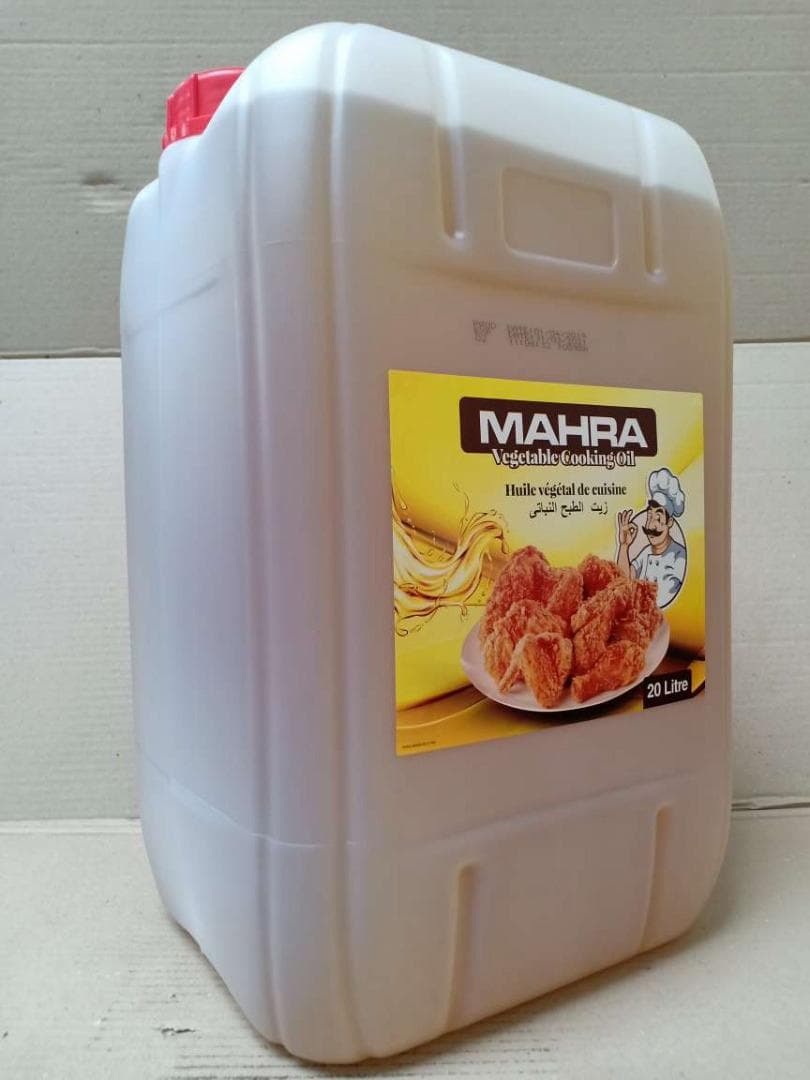
Vegetable oil markets added further upward pressure, with FAO's vegetable oil index edging up 0.9% in September on the back of palm oil strength. El Niño-related production concerns in Southeast Asia are driving that move. In West Africa, palm oil dominates intra-regional oils and fats trade at around 75% of the sub-category, and import supply remains critical given persistent domestic oilseed deficits. Ghana, Burkina Faso and Côte d'Ivoire together lead the region in fat and oil imports — all key markets for processed food exporters.
How Exporters and Importers Are Adapting
The disruptions are not uniform, but their combination is reshaping trade behaviour. Strait of Hormuz and Black Sea shipping disruptions are extending transit times and elevating freight costs, disproportionately affecting UAE-routed and Black Sea-origin cargoes. FAO Chief Economist Máximo Torero has described the current environment as a "persistent and increasingly broad-based build-up" in commodity prices, warning that food and energy import-dependent countries face the sharpest consumer price pass-through — a warning that applies directly across West Africa's key import economies.
In response, buyers are diversifying origins, accelerating forward contract activity for dairy powder, and increasingly looking to alternative supply corridors. Intra-regional West African food trade — valued at an estimated $10 billion per year — continues to grow, but external supply remains indispensable for categories that the region cannot produce at scale.
Takeaway
The current commodity environment rewards preparation. Prices are rising across dairy, cereals, oils and sugar simultaneously, shipping routes face meaningful disruption, and spot availability in key categories is tightening. For buyers and distributors in West Africa and the UAE, the window for securing favourable forward positions is narrowing. Exporters with reliable origin access and established logistics are well placed — but only if procurement strategies are aligned with the pace at which these markets are moving.
Sources
- World food prices hit highest level since late 2022 - FAO
- FAO Food Price Index and Commodity Price Indices. October 2026 update
- FAO Food Price Index up 6% year on year
- FAO Food Price Index rises in September on higher cereal, vegoil prices and benchmark at highest since November 2022 - Fastmarkets
- FAO Food Price Index edges down amid diverging commodity price movements
- FAO Food Price Index edges up amid weather, energy and geopolitical concerns
- Global Food Prices Climb to Near Four-Year High, FAO Says
- Global food prices hit highest level since November 2022, FAO says
This article is market commentary prepared by the Dairy Land Research Team for general information only and does not constitute commercial, financial or trading advice.