
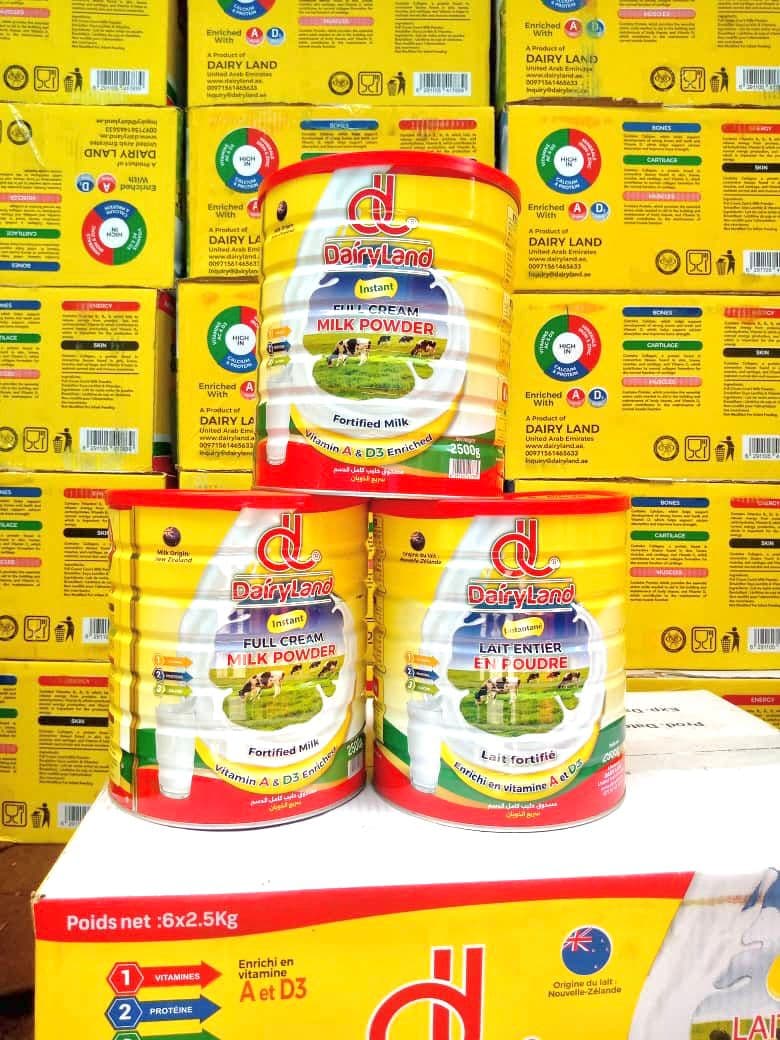
The operating environment for food and dairy exporters in late 2026 is defined by a convergence of pressures that show no sign of easing quickly. Freight rates remain structurally elevated, cold-chain infrastructure is professionalising at uneven speeds across key markets, and inventory missteps continue to erode margins on perishable and shelf-stable categories alike. For distributors and importers moving product across the UAE–West Africa corridor, understanding these dynamics is no longer optional — it is a prerequisite for sustainable sourcing.
Freight Markets: Active Management, Not Annual Budgeting
Drewry's World Container Index reached $4,639 per 40-foot container in July 2026 — its highest point since September 2024 — before easing modestly. The broader picture is one of persistent sensitivity: Middle East tensions and security concerns around the Strait of Hormuz have added a risk premium that cannot be planned away. Meanwhile, the global dry bulk fleet is growing at roughly 3.3% against estimated demand growth of 3.5%, keeping supply tight. The IGC grain freight index climbed from 138 to 187 points between January and September 2026, illustrating how cost pressure is spreading across commodity categories, not only containerised goods.
The practical implication is clear: freight budgets that were set once a year and left to run are no longer fit for purpose. Exporters and their buying partners need weekly visibility of rate movements and routing alternatives, with pre-agreed contingency corridors when primary routes face disruption.
UAE Cold Chain: Growing Capacity, Growing Complexity
The UAE cold chain logistics market was valued at USD 1.65 billion in 2025 and is projected to reach USD 2.43 billion by 2031, growing at a compound annual rate of around 5.84%. That investment is translating into physical infrastructure: KEZAD Group is committing AED 621 million to deliver 250,000 square metres of new cold storage capacity, while Gulftainer's K-Flow facility at Khorfakkan, launched in September 2025, now offers bonded cold storage that directly supports re-export operations.
For dairy and chilled-food operators, these developments are welcome — but they also raise the operational bar. Chilled cargo accounted for nearly 40% of the UAE cold chain market in 2025, and customs clearance for reefer and perishable categories operates on a risk-based inspection model that places fresh dairy, seafood, and meat in a priority lane. Speed through customs matters, but so does documentation integrity. Importers who treat paperwork as an afterthought will find the system unforgiving.
Shelf-stable categories — evaporated and condensed milk, milk powder — are not exempt from cold-chain thinking. Long transits to West Africa require humidity-controlled storage throughout; temperature deviation that stops short of spoilage can still compromise shelf life and trigger returns at destination.
West Africa Logistics: Improving Infrastructure, Variable Reliability
Since 2022, West Africa's key port hubs have attracted meaningful investment in cold storage and trade digitalisation. In Dakar, a new refrigerated terminal managed in partnership with Rotterdam is entering service. Abidjan's agro-industrial logistics centre connects cold storage directly to port operations. In Tema, the Blue Skies corridor links inland production zones to the port via refrigerated transport.
This is genuine progress — but clearance delays, documentation risk, and variable terminal reliability remain elevated across all three hubs. Importers and distributors operating in these markets should maintain buffer stock calibrated to realistic worst-case clearance timescales, not optimistic averages. A shipment delayed at Tema or Dakar by even a few days can compromise product that arrived in-specification.
Inventory Discipline: The Margin Risk You Control
The USDA estimates that approximately 17% of dairy products are wasted annually due to inventory missteps — a figure that represents direct margin destruction and an increasingly visible sustainability liability. The root cause is almost always the same: without real-time visibility of product location and expiry dates, FIFO discipline breaks down and expired stock is discovered too late to act.
For exporters supplying multiple West African markets simultaneously, the risk compounds. Demand signals vary by country, promotional cycles differ, and lead times are long enough that a forecast error made today lands as a warehouse problem three months from now. Supplier concentration adds another layer: when a key input supplier is disrupted, reformulation or re-sourcing lead times can stretch significantly, with no early warning unless risk monitoring is proactive and systematic.
Closing Takeaway
The UAE–West Africa food and dairy corridor offers real commercial opportunity, but the operational discipline required to run it profitably in 2026 is higher than it has ever been. Exporters and their trading partners who invest in freight monitoring, multi-hub cold storage, rigorous FIFO processes, and diversified supplier bases will be better positioned to absorb the volatility that is now a structural feature of the market — not a temporary anomaly.
Sources
- 2026 Freight Market Outlook: Costs, Capacity & Strategy - SupplierWiki
- 2026 Global Supply Chain Challenges: What Businesses Face
- Why Are Global Grain Freight Rates Rising in 2026?
- Global Grain Trade Shifts Toward New Shipping Routes as Freight Costs and Risks Rise
- 2026 Rate Outlook: A freight market in transition - Logistics Management
- Freight Rate Forecast 2026: Ocean, Air, Road & Rail Outlook
- Fuel Costs & Freight Rates 2026: What’s Driving Prices
- Logistics, Geopolitics & Grain Prices in 2026
This article is market commentary prepared by the Dairy Land Research Team for general information only and does not constitute commercial, financial or trading advice.